

Does Hormone Imbalance Cause Fatigue and Low Energy?
At The WellSpa in Winter Park, FL, Kelli Marchewka, PA-C, helps patients understand how hormone imbalances may contribute to persistent fatigue and low energy. Hormones play a major role in sleep regulation, metabolism, and stress response. Evaluations focus on identifying patterns that may be affecting energy levels and overall vitality. For more information, please contact us today or book an appointment online now! We are conveniently located at 999 S Orlando Avenue Winter Park, FL 32789.
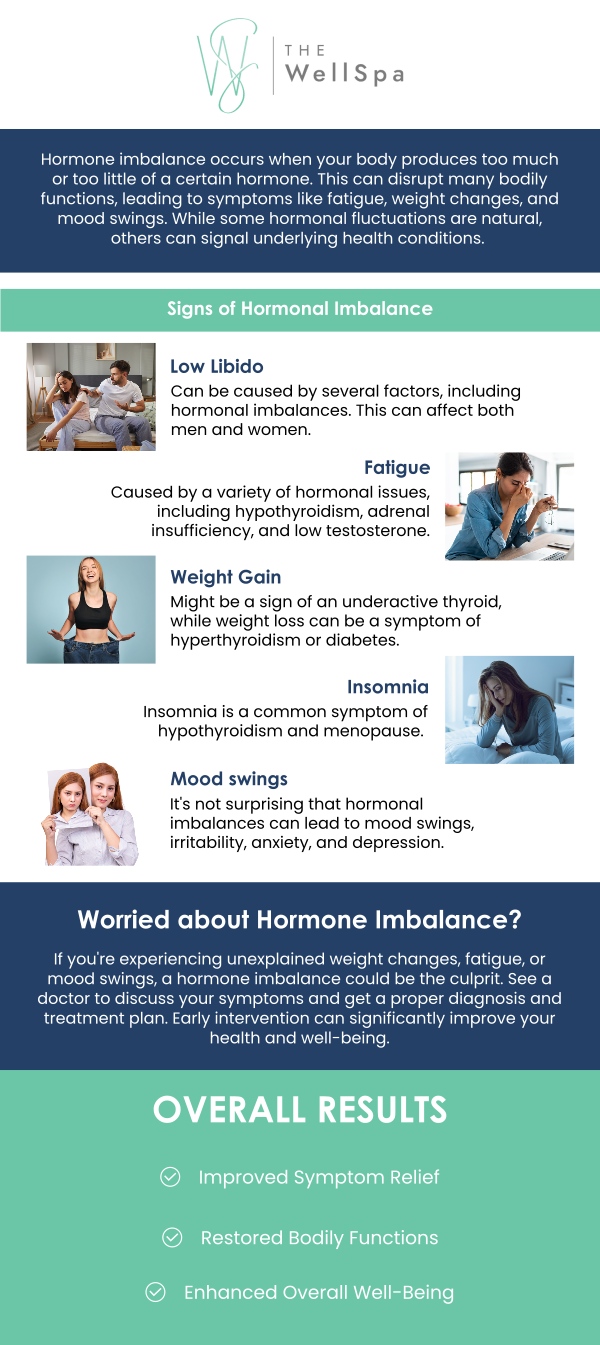

Table of Contents:
How does a hormone imbalance cause fatigue and low energy?
Which hormones are typically involved in fatigue and low energy?
Can a hormone imbalance be the cause of chronic fatigue syndrome?
Can low estrogen levels lead to fatigue?
How Kelli Marchewka, PA-C, Evaluates Hormonal Causes of Fatigue at The WellSpa
Hormone imbalances disrupt the body’s natural rhythms and energy production pathways, leaving the individual feeling drained even after rest. When key hormones fluctuate or fall below optimal levels, the body struggles to regulate metabolism, sleep cycles, and stress responses. This can create an effect where the individual experiences persistent tiredness, mental fog, and reduced stamina, which goes beyond ordinary fatigue from lifestyle factors.
Energy levels are closely tied to the body’s endocrine signals. When hormones like cortisol, thyroid hormones, and sex steroids are misaligned, cells do not receive consistent instructions for energy utilization. This can manifest as morning fatigue, mid-day crashes, or difficulty maintaining focus. By restoring hormonal equilibrium, therapy can normalize energy production at a cellular level, helping patients feel revitalized throughout the day.
Chronic fatigue can also stem from how hormone imbalances affect sleep quality. Low or fluctuating levels of hormones like progesterone, melatonin, and estrogen may interfere with deep sleep cycles, leaving the patient feeling unrested even after hours in bed. The WellSpa’s approach often combines hormone optimization with lifestyle interventions, sleep hygiene coaching, and targeted therapies to correct these disruptions. This strategy addresses both the symptoms and the underlying drivers of fatigue, ensuring energy improvements are sustainable.
Imbalances also influence mood, motivation, and physical recovery. Providers monitor these interconnected factors when developing individualized treatment plans under Kelli Marchewka’s, PA-C, supervision. Correcting hormonal levels can reduce tiredness and support resilience to stress, improve concentration, and foster the energy needed for exercise and daily activities.
Several hormones play important roles in maintaining consistent energy levels. Thyroid hormones regulate metabolism and influence how efficiently the body converts nutrients into fuel. Cortisol, the body’s primary stress hormone, affects alertness and the circadian rhythm, with both high and low levels contributing to persistent fatigue. Sex hormones also impact vitality. Estrogen, progesterone, and testosterone support not only reproductive health but also muscle function, sleep quality, and mental sharpness. Imbalances in these hormones can create a sense of heaviness, lethargy, or reduced endurance. Adrenal hormones influence both stamina and recovery. When adrenal output is insufficient, the patient may experience early afternoon slumps, difficulty managing stress, and slower recovery after physical activity. Marchewka and her team analyze these patterns as part of a comprehensive assessment, ensuring that therapy addresses the underlying factors influencing energy regulation.
Melatonin and other sleep-related hormones can compound fatigue if misaligned. Even when thyroid, adrenal, and sex hormones are within acceptable ranges, disturbances in these regulators can prevent restorative sleep and lead to daytime exhaustion. The WellSpa’s approach considers these connections, designing treatment plans that optimize overall hormonal function to restore consistent energy across all systems.
Hormonal imbalances can influence the development or exacerbation of chronic fatigue syndrome in many cases. Dysregulated thyroid, adrenal, or sex hormones can mimic or intensify the hallmark symptoms of chronic fatigue syndrome, including persistent exhaustion, cognitive difficulties, and sleep disturbances. Providers evaluate these contributing factors to determine if targeted hormone therapy may alleviate the severity of symptoms. Hormonal imbalances can exacerbate underlying issues in energy metabolism. Inefficient thyroid function can reduce cellular energy production, while low cortisol impairs stress response and recovery. When these persist, they may create a chronic fatigue profile that overlaps with or intensifies recognized syndromes. The WellSpa’s approach focuses on restoring hormone balance to support systemic resilience, often improving quality of life even in complex cases.
Addressing hormonal contributors can complement other therapeutic strategies for chronic fatigue. Care includes nutrition optimization, lifestyle adjustments, and metabolic support, ensuring that therapy is paired with interventions that enhance energy restoration and overall function. This approach allows patients to experience improvements in stamina and clarity even when full syndrome resolution takes time. Each patient’s hormonal needs are unique, and therapy is designed to stabilize the specific hormones implicated in fatigue while minimizing unnecessary interventions. This precision allows the patient to regain energy, mental focus, and resilience while supporting long-term wellness beyond temporary relief.
Low estrogen levels are a common contributor to persistent fatigue, particularly in women undergoing menopause, perimenopause, or reproductive hormone disruptions. Estrogen regulates not only reproductive function but also influences sleep, neurotransmitter activity, and energy metabolism. Insufficient estrogen can disrupt circadian rhythms, impair cognitive alertness, and reduce endurance, leaving the patient feeling chronically drained. Estrogen also affects mitochondrial efficiency, the cell’s energy powerhouse. When levels drop, cells become less effective at converting nutrients into usable energy, which can manifest as physical fatigue and diminished exercise capacity. The WellSpa integrates hormone testing and functional assessments to pinpoint these deficits, allowing therapy to restore optimal estrogen levels and improve cellular energy production over time.
Sleep disruption is another pathway through which low estrogen contributes to fatigue. Reduced estrogen can affect melatonin balance and the architecture of deep sleep cycles, leaving the patient unrested even after long periods in bed. The WellSpa often combines estrogen therapy with lifestyle strategies, nutritional support, and sleep optimization to maximize energy restoration in a holistic manner. Low estrogen can influence mood and motivation, creating a cycle where fatigue leads to reduced activity and further energy depletion. Providers monitor these connected factors, adjusting therapy to enhance wellness, cognitive function, and emotional resilience.
At The WellSpa, Kelli Marchewka, PA-C, works with patients who feel exhausted despite adequate rest or lifestyle changes. Hormonal imbalances may disrupt normal energy regulation, making daily tasks more difficult. Through personalized assessment and care planning, patients receive guidance aimed at improving energy and restoring balance. For more information, please contact us today or book an appointment online now! We are conveniently located at 999 S Orlando Avenue Winter Park, FL 32789. We serve clients from Orlando FL, Winter Park FL, Maitland FL, Baldwin Park FL, Altamonte Springs FL, and the surrounding areas!
Check Out Our 5 Star Reviews



Additional Services You May Need
▸ Medical Weight Loss
▸ IV Therapy
▸ Body Contouring
▸ Morpheus8
▸ Botox
▸ Xeomin
▸ Dermal Fillers
▸ Clearlift Facial
▸ Skin Pen Microneedling
▸ Facials


 Send Text
 How May I Help You?
